


by Mialy Andriamahefazafy, Environmental Policy Specialist, Madagascar
Last July, Blue Ventures had the chance to share our work in Madagascar during the 16th biennial International Institute of Fishery Economics and Trade (IIFET) conference, in Dar es Salam.
The theme of the conference was the tangible possibilities of fisheries management: the economics of sustainable fisheries aquaculture and seafood trade. One of the primary messages that we could share with each other was the advantages of community run management of fisheries; which has demonstrated to have large economic benefits for fishers.. Another important discussion point was that aquaculture represents a potentially significant opportunity for local communities.
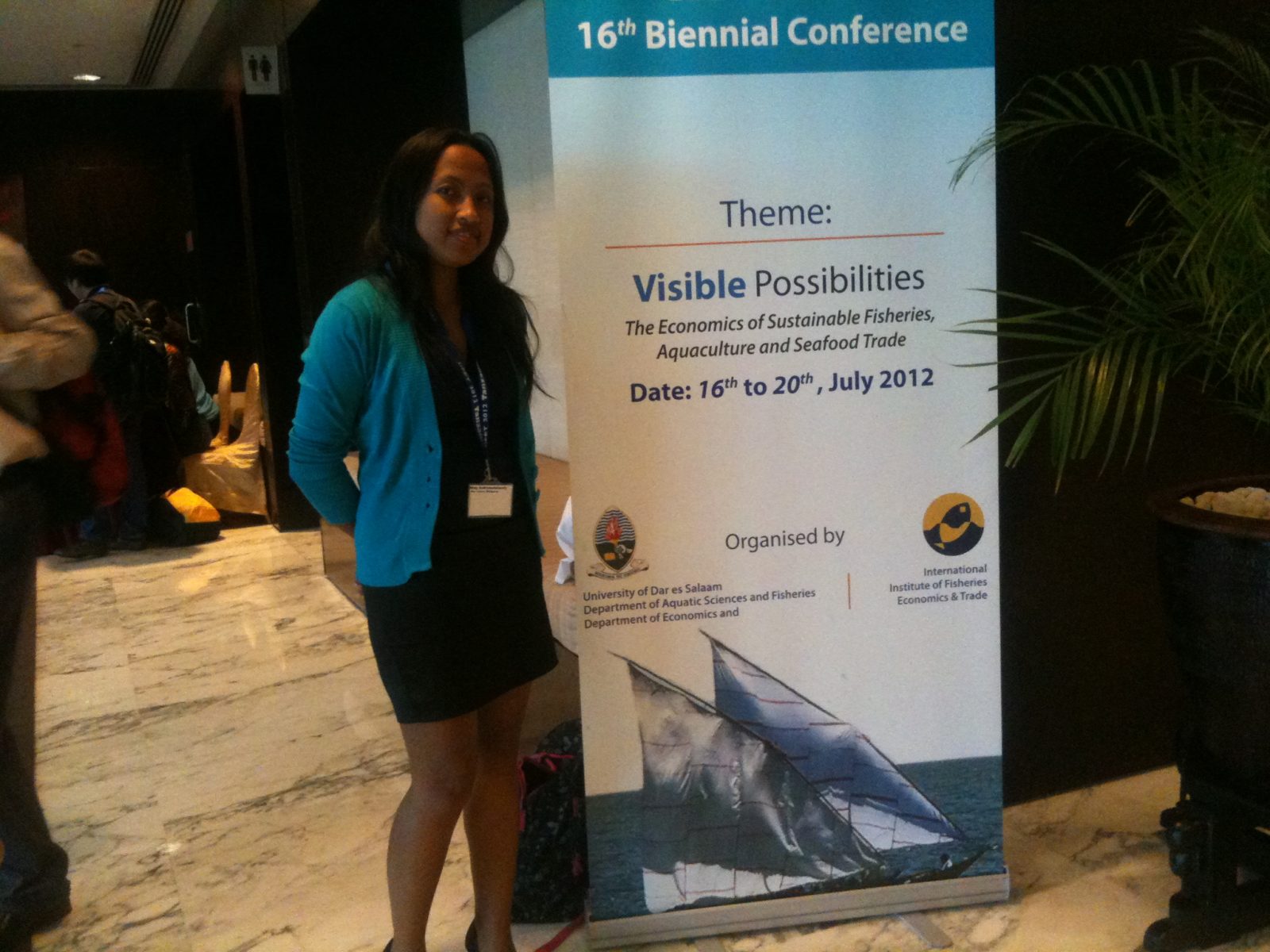
Mialy represented Blue Ventures at the IIFET conference
There were over two hundred fisheries economists from all over the world, and a few conservation practitioners thrown in the mix for good measure. We presented the economic results of our community-based aquaculture work to the eager audience, as well as the preliminary findings from our fishery policy work regarding foreign fishing access agreements in Madagascar.
Our first presentation on sea cucumber aquaculture demonstrated the profitability of this project for the farmers in the village of Tampolove, SW Madagascar. It was encouraging to see the audience so engaged with this community based farming project, and how other countries were inspired to become involved in the same type of aquaculture initiatives.
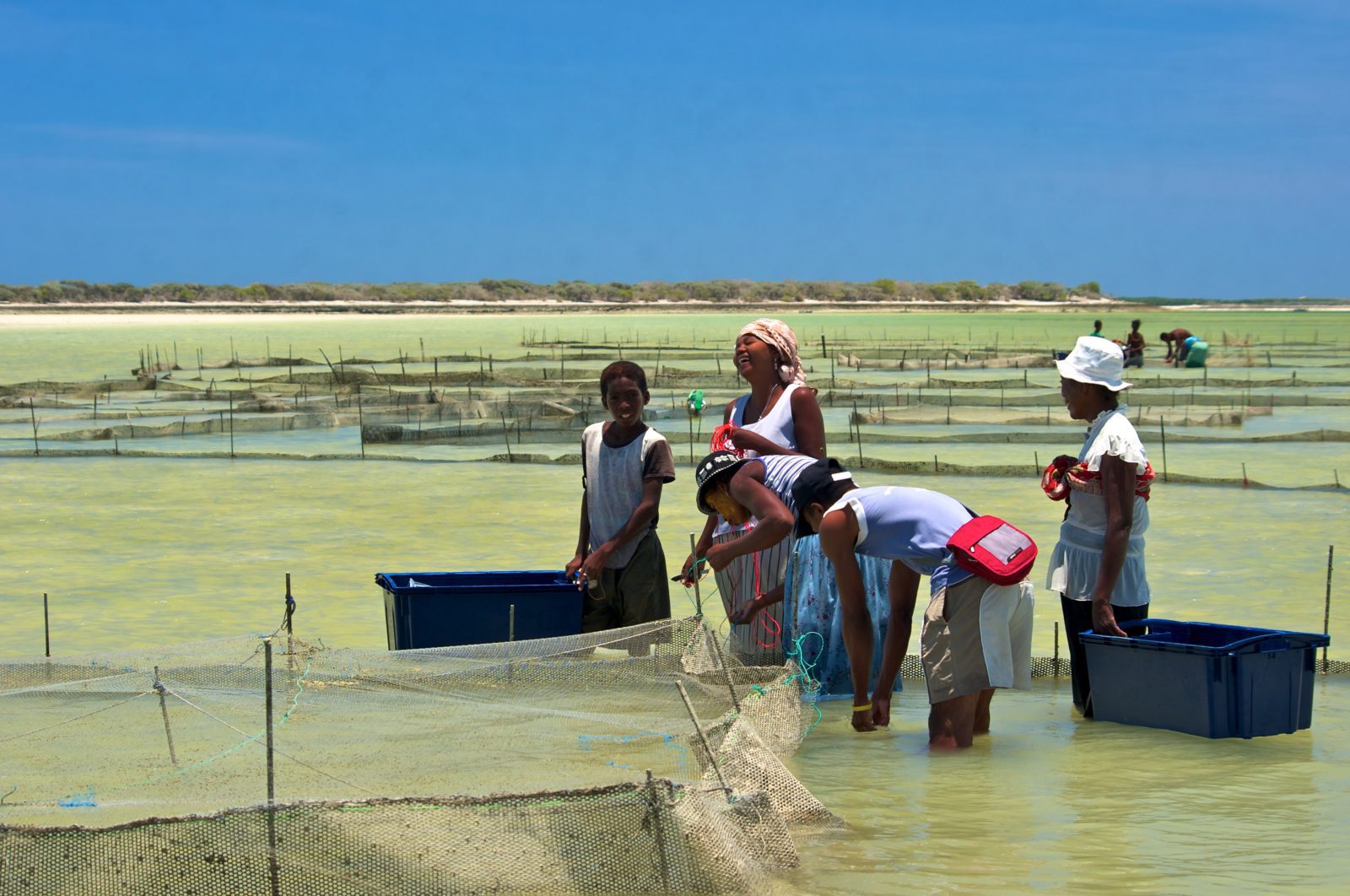
Our aquaculture work was well recieved
Our second presentation on the fishery access agreements raised a different kind of interest. The attendees from the more developed countries were fascinated by how the Madagascan fishery access agreements were not written for the purpose of resource sustainability. It was also interesting to see our projects presented by different academics and practitioners, for instance a student from the University of Hawaii talked about the value of ecosystem services in the Velondriake locally managed marine area.
The IIFET conference was a great opportunity for conservationists working in policy to share experiences in the reality of fisheries management; both in terms of the economics and projections for the future.

Sharing experiences amongst conservation practitioners helps to shape the future of marine resource management
